
From 11-14 September, Poraka Nova had the pleasure of hosting the Study Visit of SKUC from Slovenia within the “Inclusive Cultural Education” project. The visit brought together culture, education, art, heritage, creativity and inclusive practices, creating a valuable space for learning from one another and exchanging experiences and good practices.
The programme took participants from Bitola to Ohrid and Struga, offering an opportunity to discover different approaches to inclusive cultural education while also exploring the rich cultural heritage, traditions and creative practices of Macedonia.
Starting in Bitola: Inclusion in Culture and Education
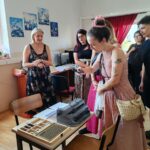
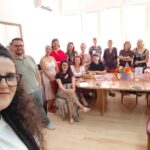
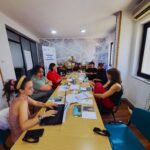
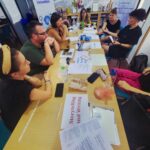
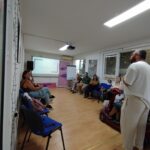
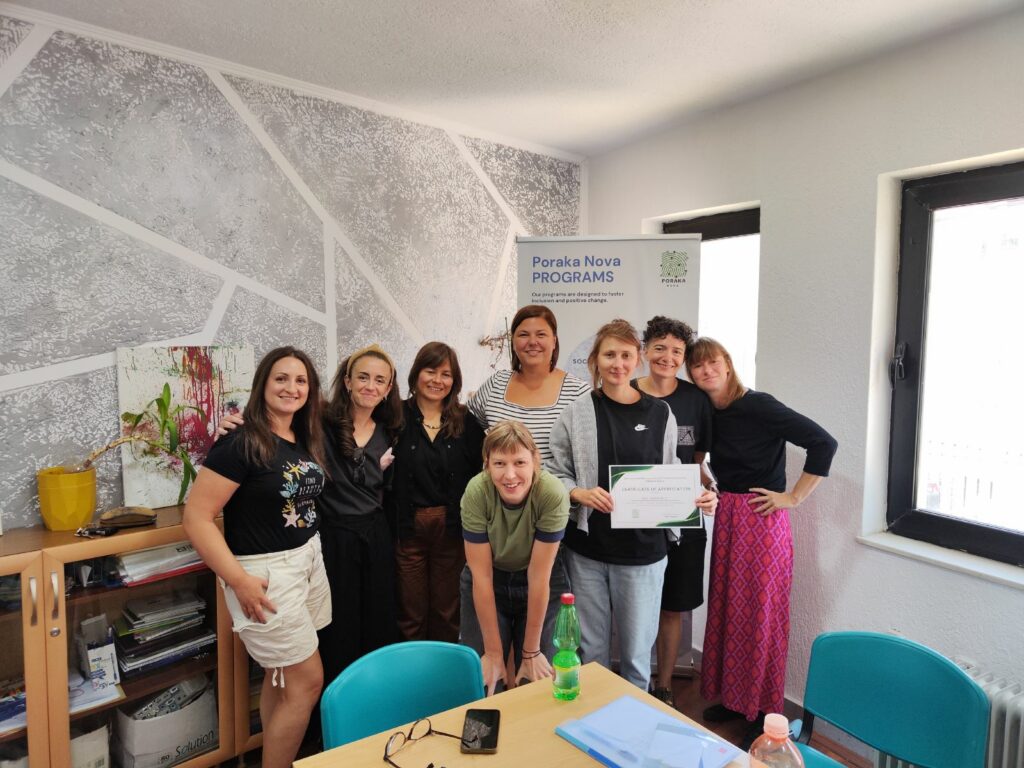
The Study Visit began at the Poraka Nova office in Bitola, with a partners’ meeting that provided an opportunity to introduce our work, exchange experiences and discuss approaches to inclusive cultural education.
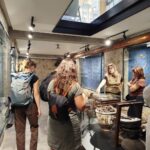
The programme continued with a visit to the Museum of Bitola, where participants explored the museum and learned about its experience in developing inclusive workshops and practices. The visit highlighted the role cultural institutions can play in creating opportunities for participation and making cultural content more accessible to different audiences.
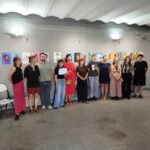
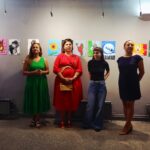
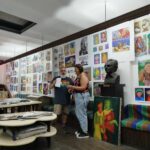
Another special moment was the visit to Magaza, where participants met Veronika Kochov, an artist. Veronika presented her work and artistic expression, and the group also had the opportunity to attend the opening of her exhibition.
The meeting created space to reflect on visibility, artistic expression and the participation of persons with disabilities in cultural life, reminding us that inclusive culture is not only about access to culture, but also about creating opportunities for everyone to create, express themselves and contribute.
The programme continued at the Youth Cultural Centre – Bitola, where participants learned about the 25-year experience of Bitola Open Town. The team shared examples of how the festival has created opportunities for participation and engagement of marginalised communities in cultural and community activities.
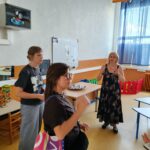
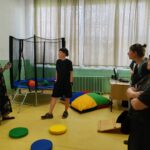
The day concluded at the “Kocho Racin” Elementary School and Resource Centre, where participants were introduced to the institution and its approaches to inclusive education. They visited the boarding facility, the Assistive Technology Room, Montessori Room and Biofeedback Room, gaining insight into different methodologies, tools and resources supporting learning and development.




The second day offered another perspective on inclusive cultural education by combining local heritage, traditional crafts, children’s art, performing arts and game development.
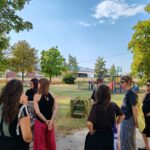
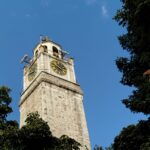
The day began with a walk through the Old Bazaar of Bitola, where participants discovered traditional crafts and the artisans who continue to preserve the character and spirit of the old city.
We then visited the Small Montmartre of Bitola, an international children’s art colony with a remarkable 45-year tradition. The colony brings together children and young artists from different countries through art, creativity and cultural exchange.
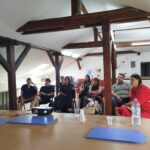
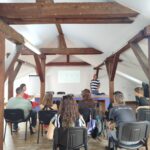
At the Youth Center Bitola, the ATO Centre presented its work and shared experiences and good practices in creating inclusive performances, including sign-language theatre. The discussion highlighted the potential of performing arts to become more accessible and inclusive and to create space for different forms of communication and expression.
Back at the Poraka Nova office, participants took part in a Game Development Workshop, exploring how creative and interactive approaches can be used as tools for learning, participation and inclusion. The group also discussed the tasks already developed within the project and approaches for their testing and evaluation.
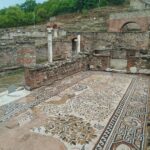
The day concluded with a visit to Heraclea Lyncestis, connecting the Study Visit with Bitola’s rich ancient heritage and offering participants another important perspective on the city’s cultural identity.





Beyond Bitola: Traditional Crafts and Inclusive Cultural Practices
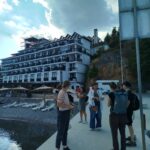
The Study Visit then continued beyond Bitola, with a journey to Ohrid and Struga, where participants discovered traditional crafts, local heritage, cultural initiatives and inclusive creative practices.
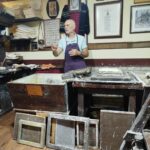
In Ohrid, we visited the National Workshop for Handmade Paper, one of the few places in the world where paper is still produced using the traditional Chinese method dating back to the 2nd century BC.
Participants had the opportunity to see this unique craft in practice and learn about the knowledge and heritage behind this traditional technique.
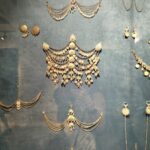
The journey continued with a visit to the workshop and museum of Vangel Dereban, a sixth-generation filigree master. Participants discovered the intricate art of Macedonian filigree and learned about the importance of preserving traditional crafts and passing cultural knowledge from one generation to the next.
In Struga, the group also had the opportunity to experience elements of traditional Macedonian cuisine, adding another dimension to the exploration of local cultural heritage.
The programme continued at INKA – Initiative for Independent Cultural Activism, where participants learned about the organisation’s work, the DrimON Festival, and its experience in creating opportunities for participation in cultural life.
The visit also provided an opportunity to reflect on the existing cooperation between INKA and Poraka Nova and the joint efforts and projects through which the two organisations have worked towards making culture more inclusive and accessible.
An Inclusive Art Workshop: Creating Together
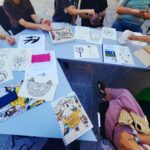
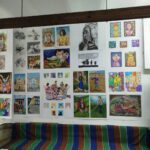
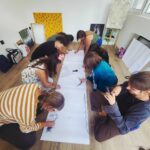
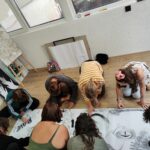
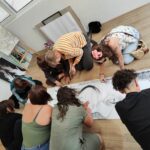
One of the highlights of the visit to INKA was an interactive inclusive visual workshop designed to explore creativity, collaboration and individual expression.
Participants were given five minutes to begin their own artwork. They then switched places and continued working on someone else’s creation. After several rounds of switching and adding to each other’s work, the original drawings transformed into completely new artworks, shaped by different ideas, perspectives and creative approaches.
The activity offered a simple but powerful reflection on inclusive culture: making space for different perspectives, trusting others, letting go of complete control and creating something together.
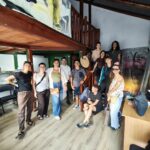
The Study Visit concluded with a final meeting at the Poraka Nova office in Bitola on 14th of September, where the participants reflected on the experiences and learning gathered throughout the programme.
Together, we reviewed the institutions and initiatives visited and the inclusive practices explored during the Study Visit. We also worked on selecting priority game content, discussing the testing and evaluation of game tasks, setting deadlines, planning future workshops and agreeing on the next steps, including the next project meeting.





Learning Through Exchange
The Study Visit demonstrated the many different forms that inclusive cultural education can take.
From museums and cultural institutions to schools and resource centres, from artists and traditional craftspeople to youth organisations, festivals, performing arts and interactive game development, the programme showed how culture and education can create opportunities for participation, creativity, learning and connection.
For Poraka Nova, hosting the Study Visit was not only an opportunity to present examples from our local context, but also a valuable learning experience. The exchange with SKUC created space to share knowledge, question existing approaches, discover new ideas and strengthen our collaboration.
🤝 Through the “Inclusive Cultural Education” project, SKUC and Poraka Nova continue to work towards developing and promoting more creative, accessible and inclusive approaches to cultural education. The project is cofunded by EU through the Slovenian National Agency.
The Study Visit reminded us that inclusion is built through practice: by opening doors, creating opportunities, listening to different perspectives and making space for everyone to participate, create, learn and belong.
A sincere thank you to everyone who welcomed us, shared their knowledge, opened their spaces and contributed to making this Study Visit a meaningful experience of learning, cultural exchange and collaboration.
Recent Comments