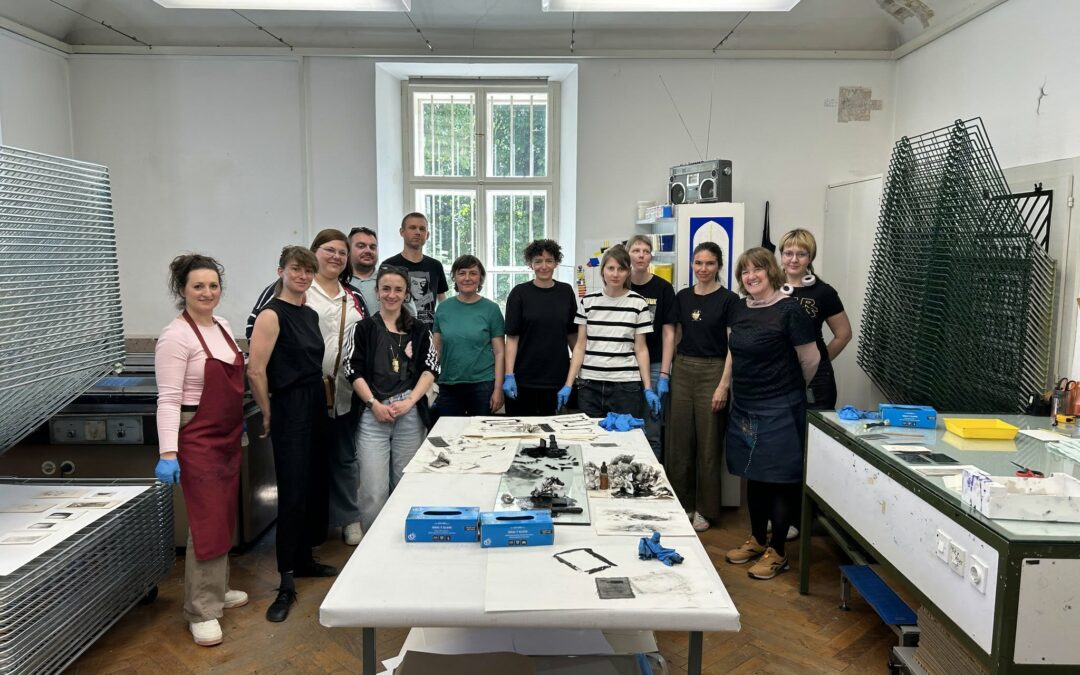
Within the framework of the Inclusive Cultural Education project, Poraka Nova participated in a study visit in Ljubljana hosted by the ŠKUC Association, bringing together youth workers, educators, and cultural practitioners with the shared goal of exchanging experiences and developing new approaches to inclusive cultural education. The main objective of the project is the creation of an inclusive educational game that will support learning, participation, and engagement of young people with diverse needs through culture and creativity. The project focuses on empowering young people, especially those with fewer opportunities and disabilities, through arts, culture, and innovative educational methods, while also strengthening cooperation between partner organizations.
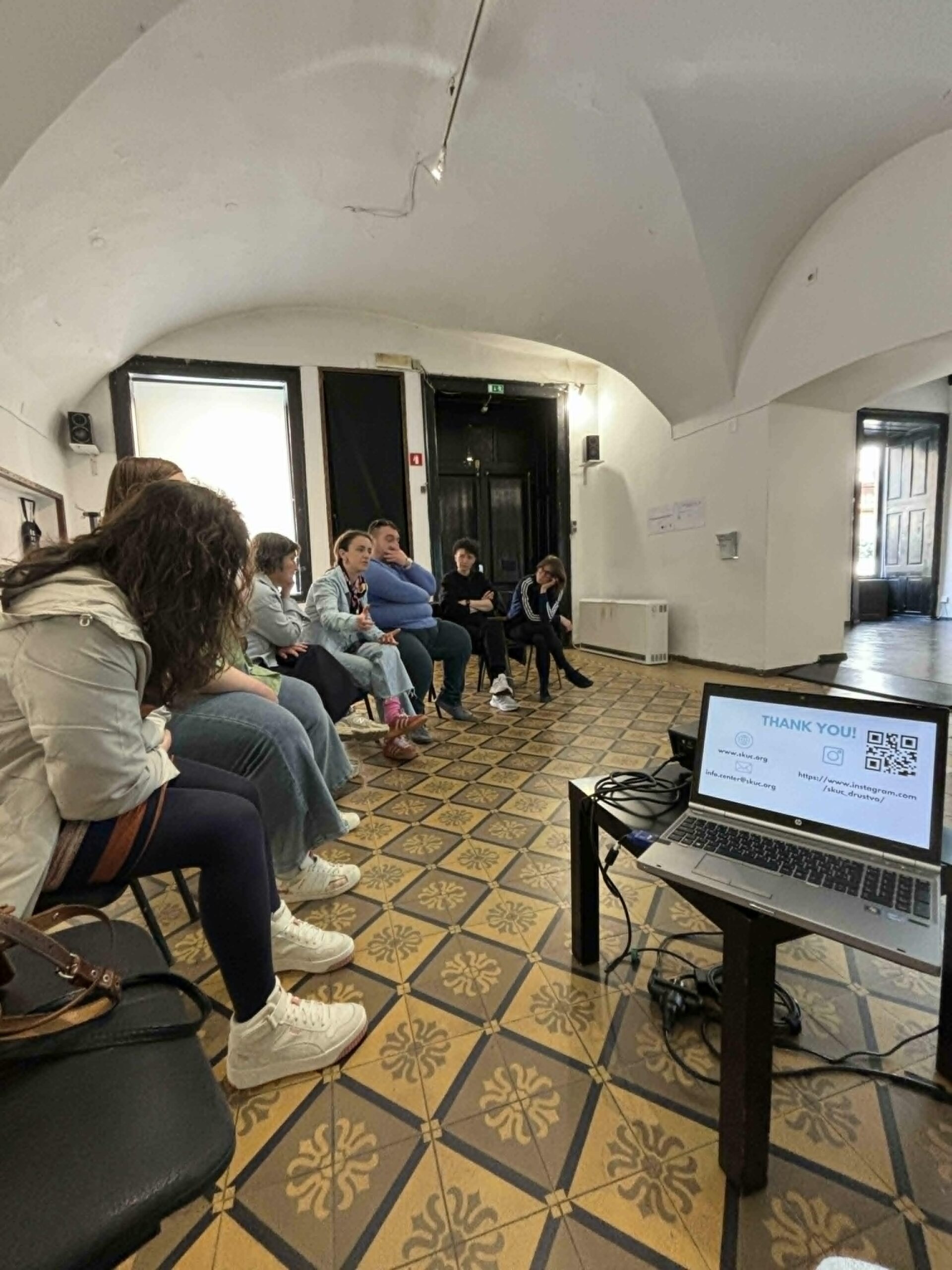
The study visit began with a warm welcome and introduction to the work of ŠKUC, an organization with a long-standing tradition in promoting alternative and inclusive cultural practices, youth engagement, and support for emerging artists, setting the tone for a dynamic exchange of ideas and practices. Throughout the visit, participants explored how culture can act as a powerful tool for inclusion, participation, and social change, while building connections and reflecting on their own work in different local contexts.
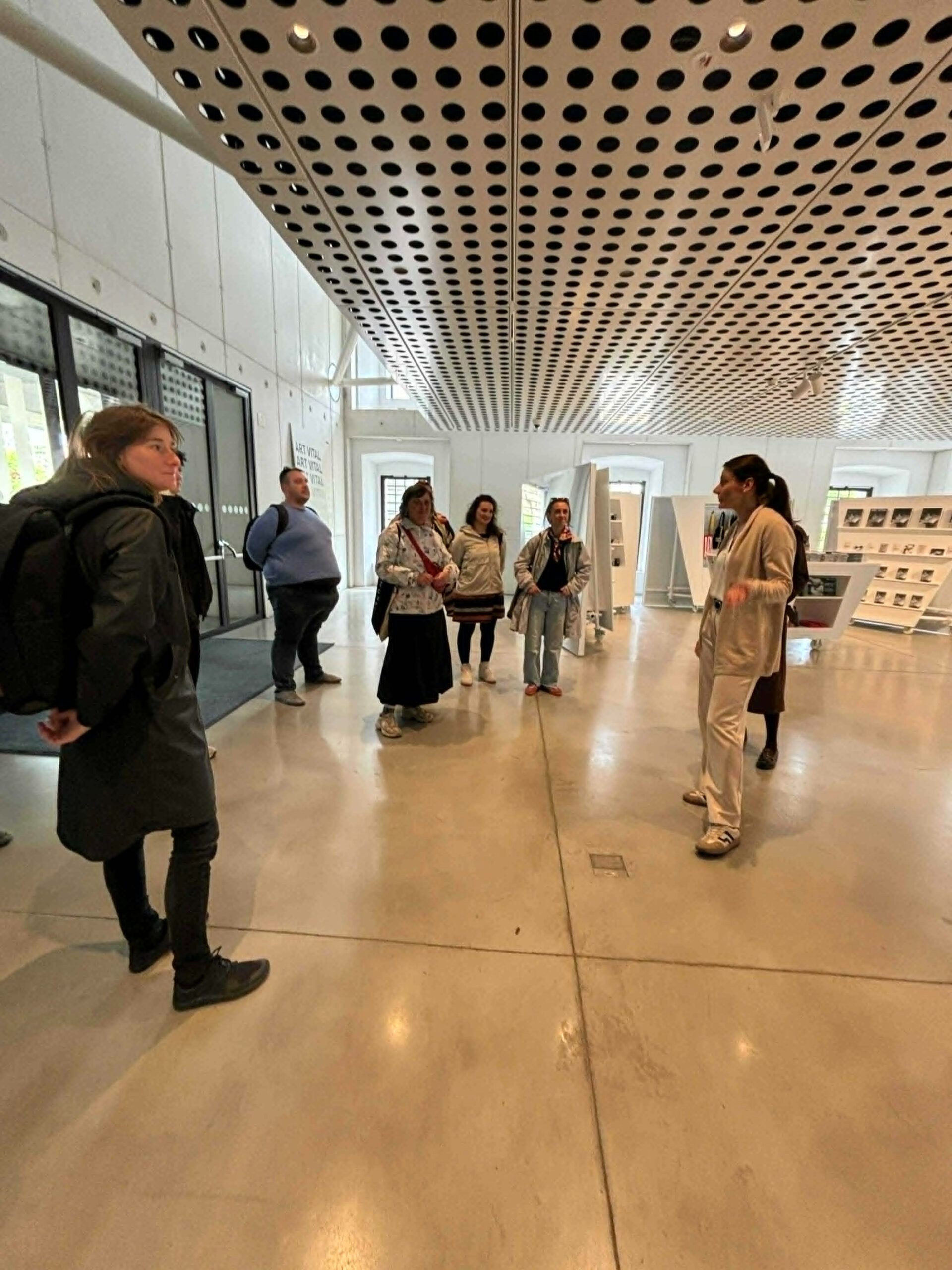
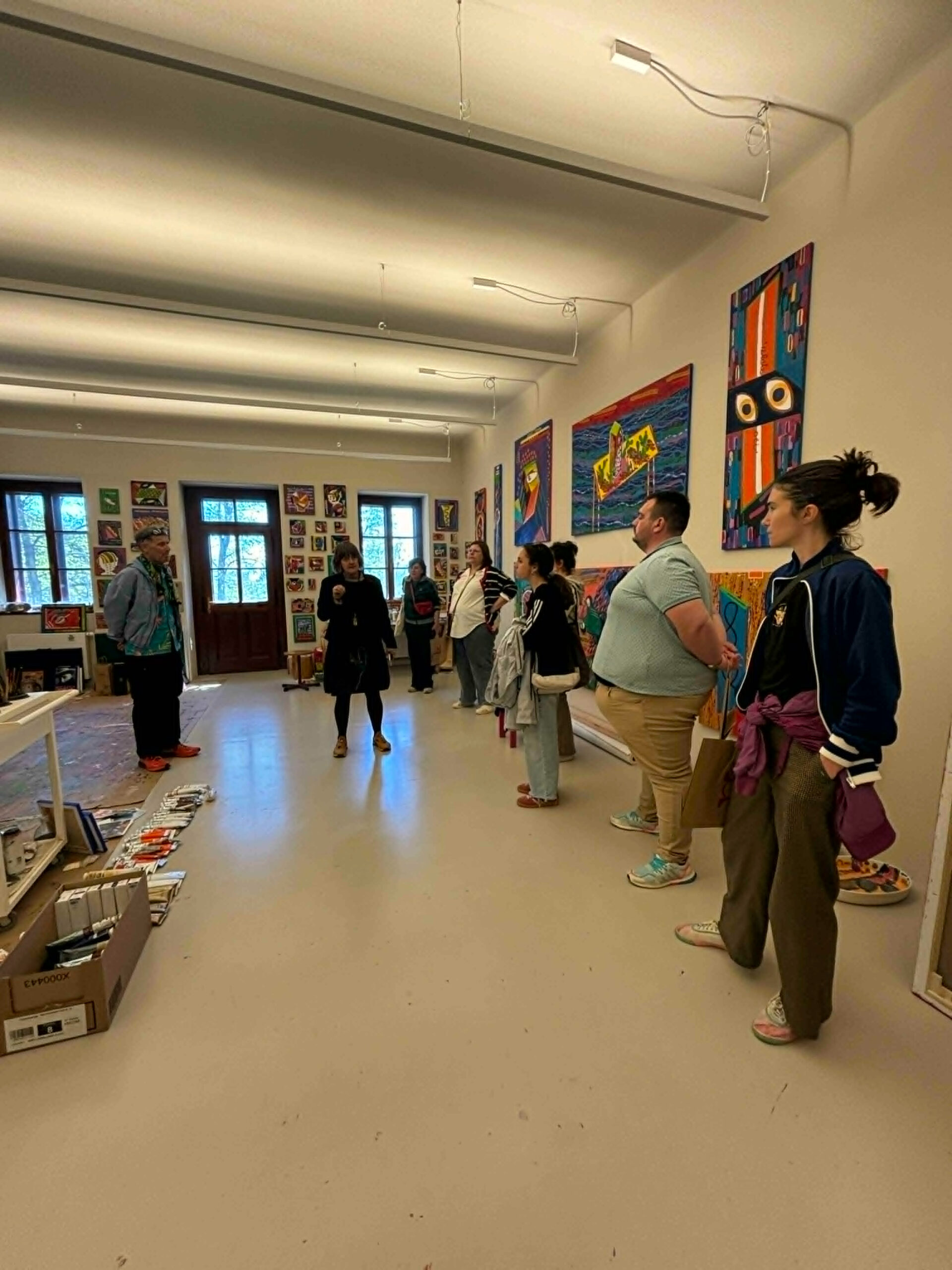
The day continued with a guided visit to the exhibition Art Vital at the Cukrarna Gallery, a former sugar factory transformed into a vibrant contemporary art space and cultural hub, where participants had the opportunity to learn from Nina Vošnjak, who presented valuable good practices on how contemporary art can be made inclusive and accessible for various marginalized and vulnerable groups, highlighting innovative approaches in adapting exhibitions, interpretation, and educational activities to diverse audiences.
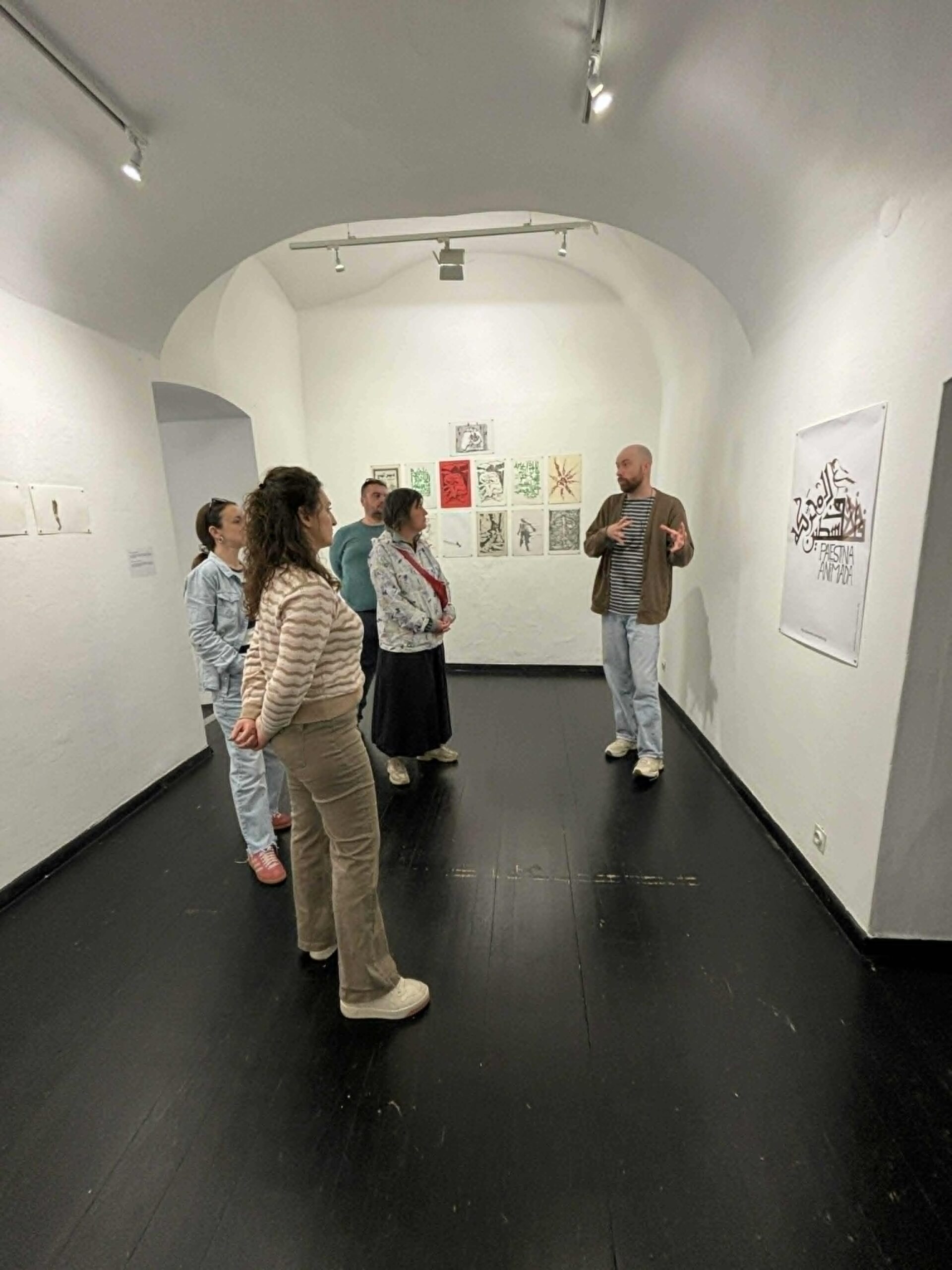
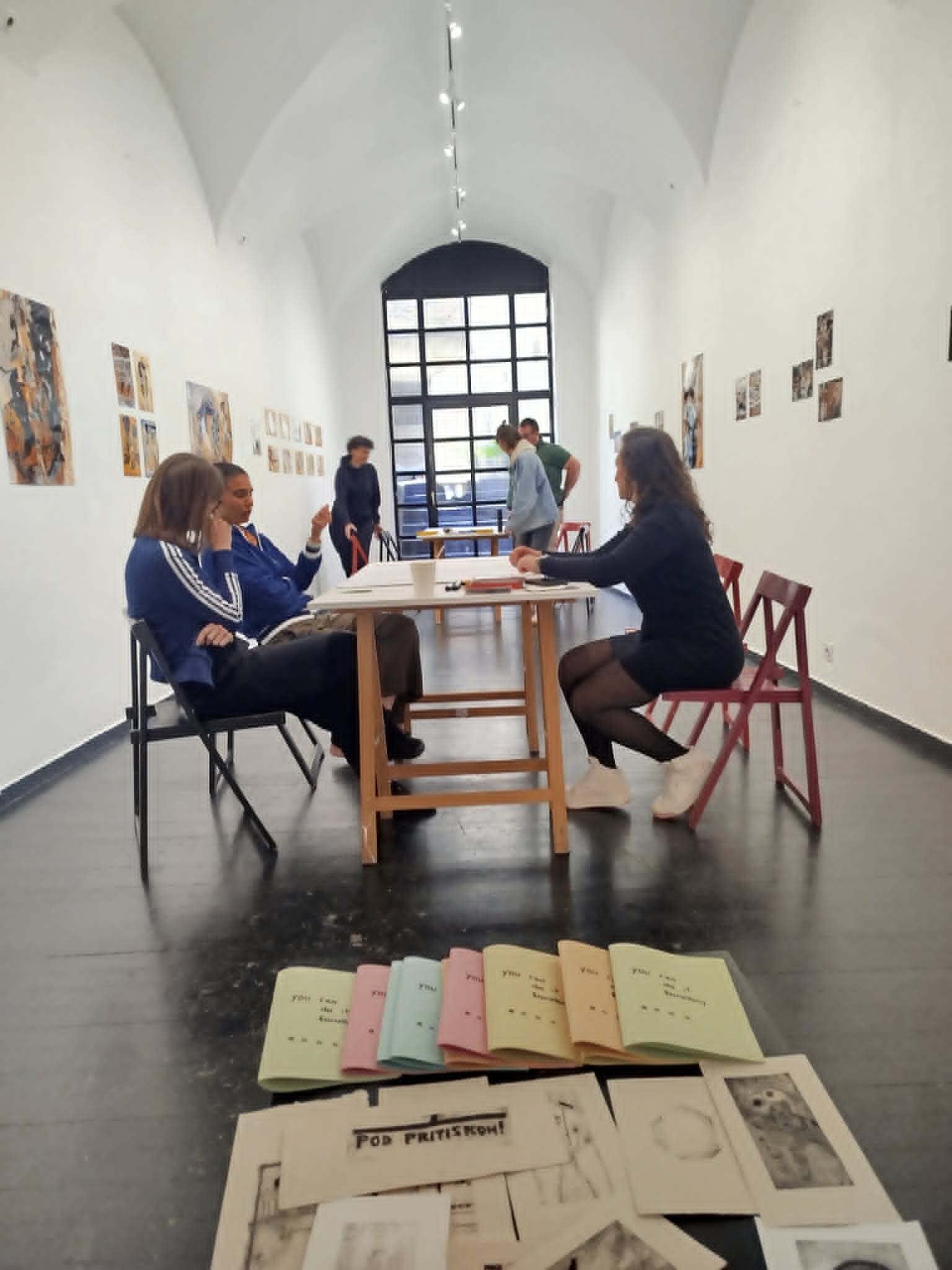
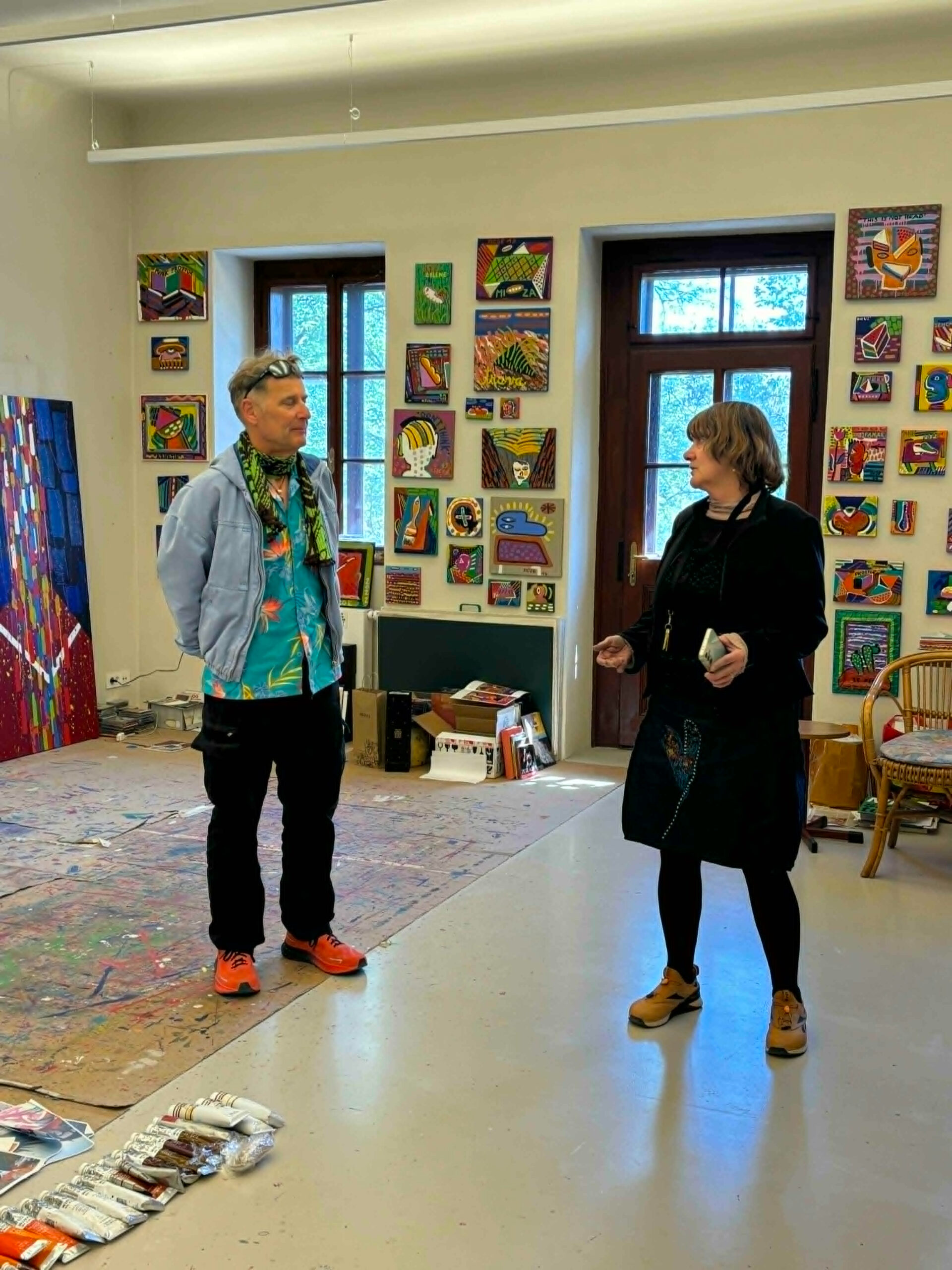
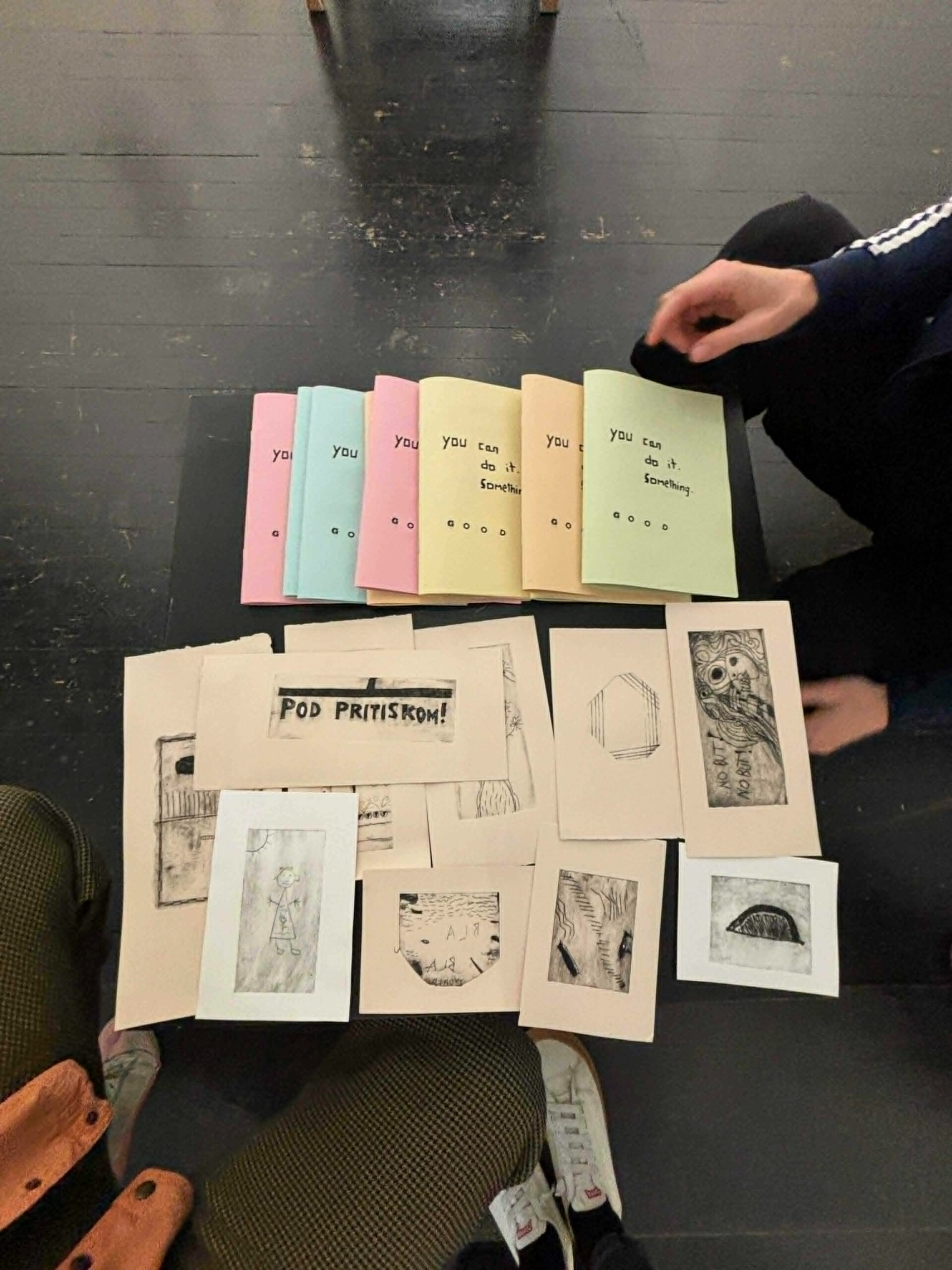
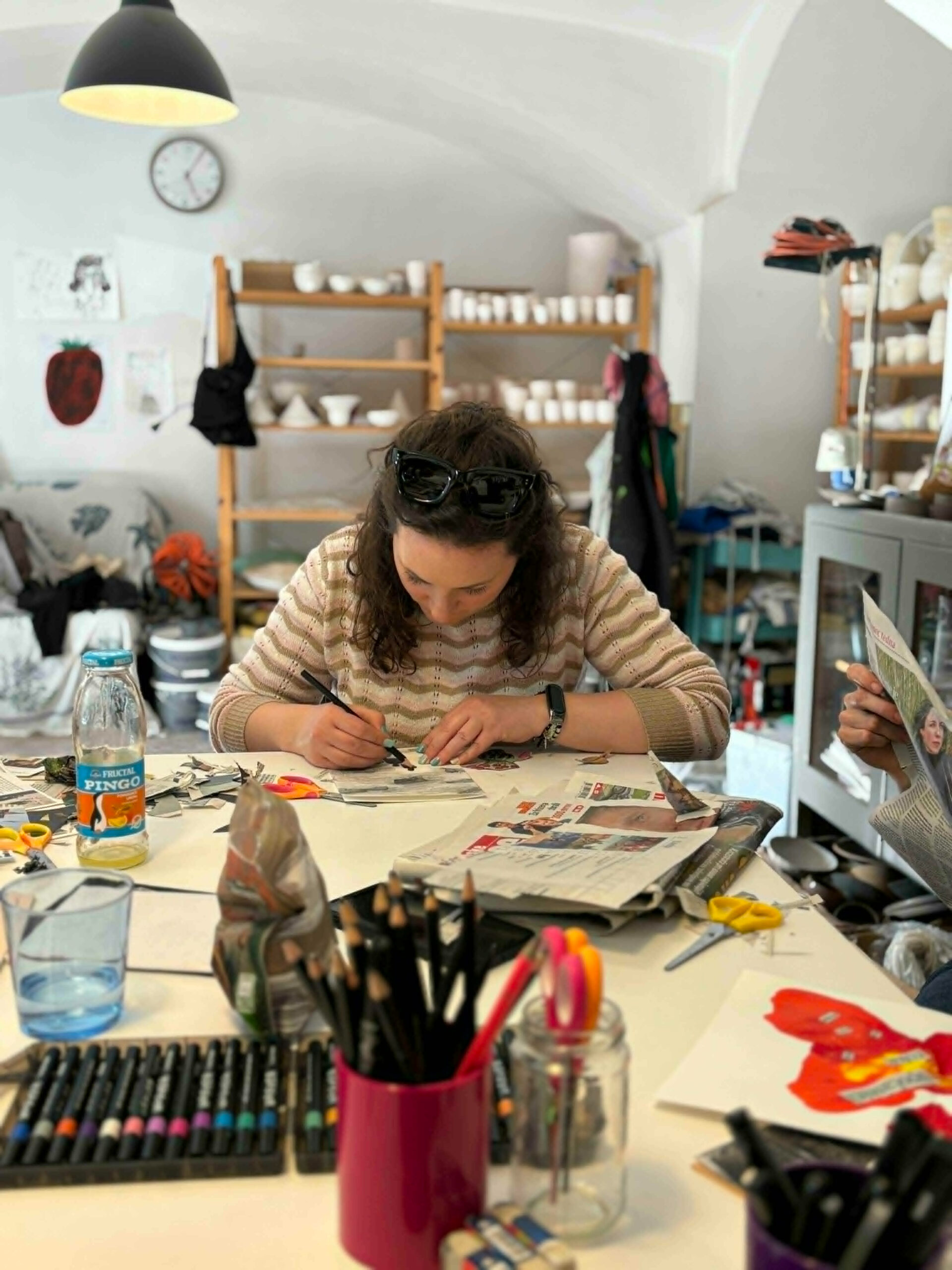
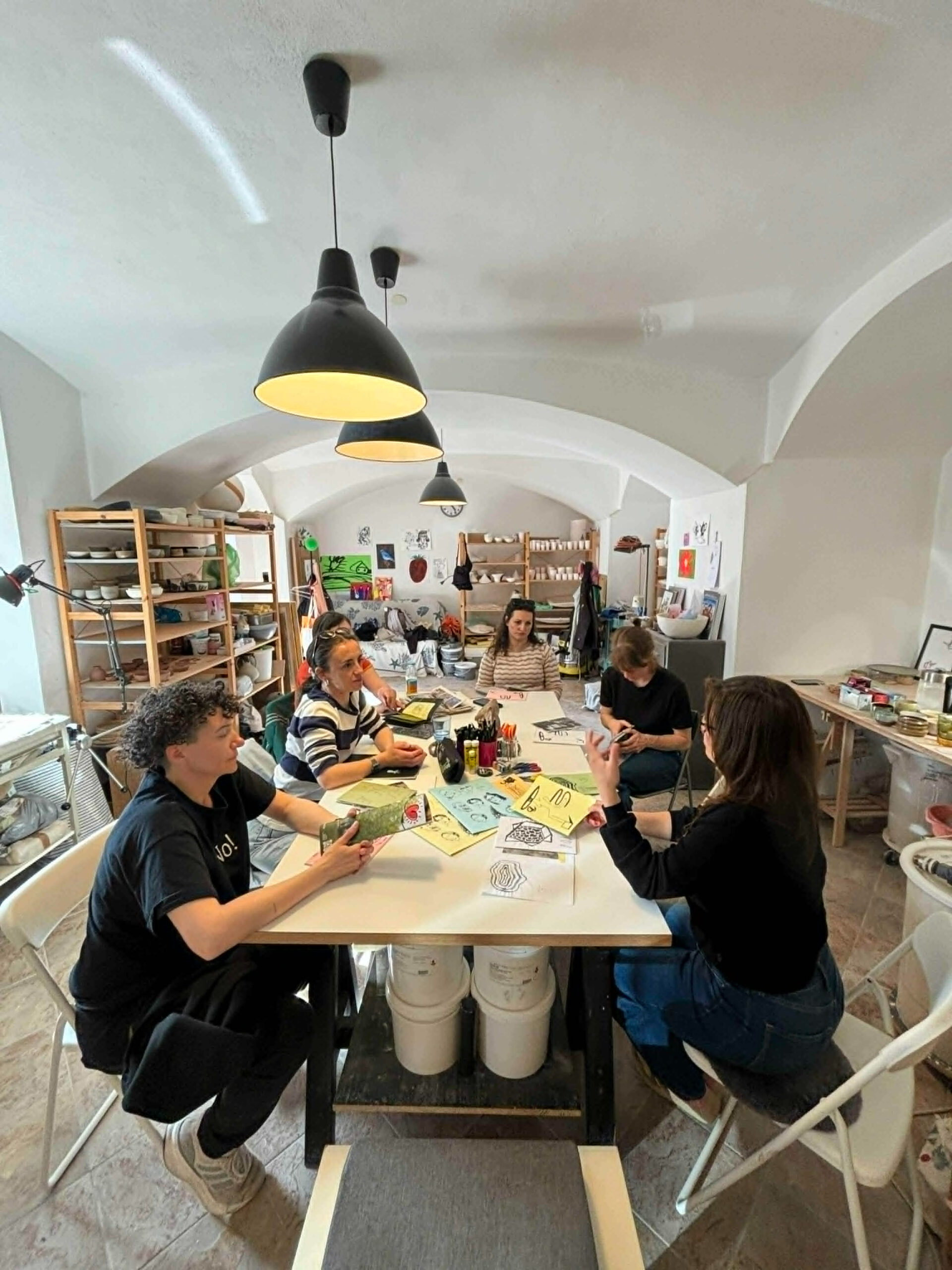
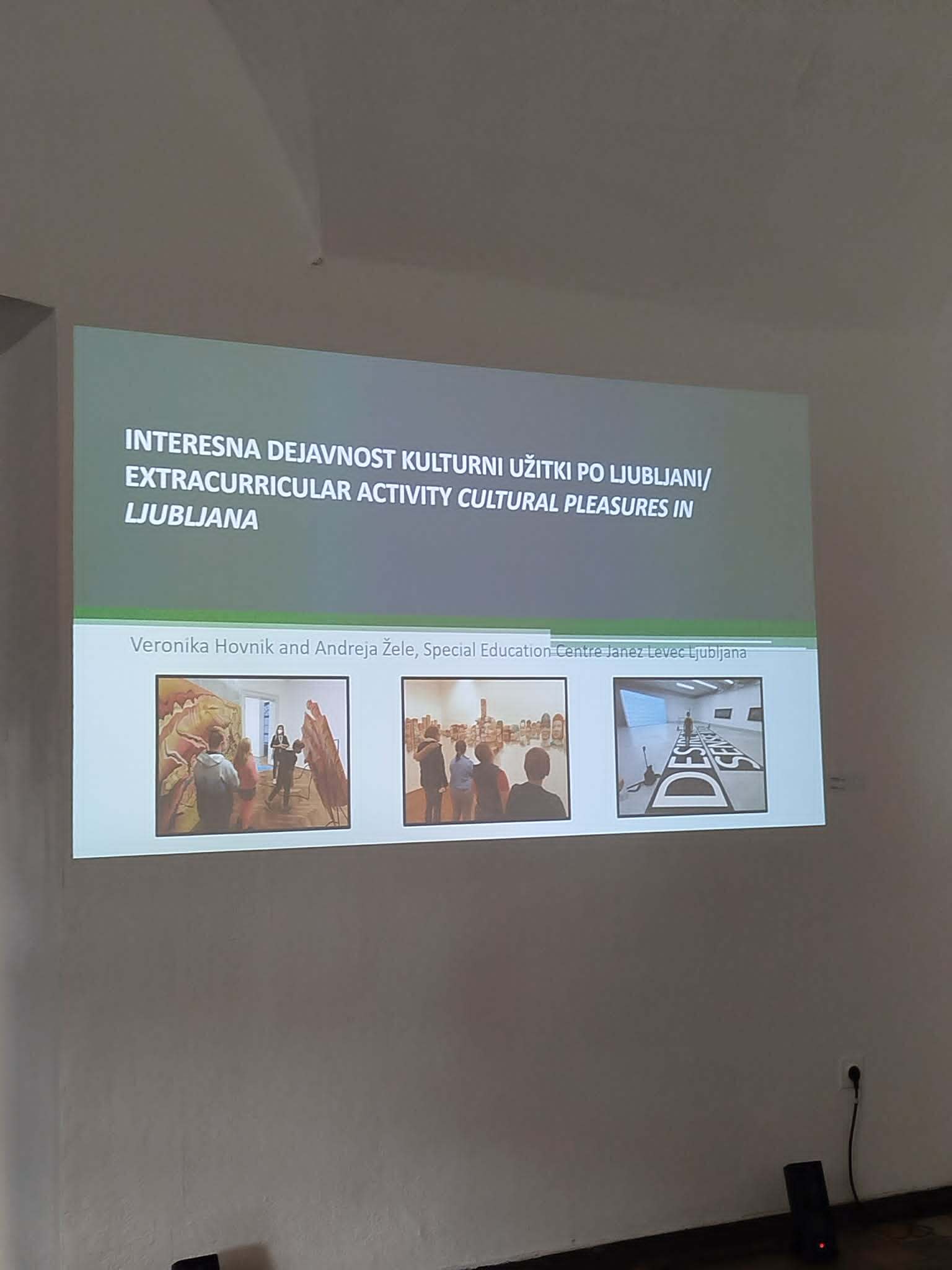
During the study visit there was inspiring presentation delivered by Veronika Hovnik from the elementary school Janeza Levca Ljubljana, who shared valuable insights into their work with children and youth with intellectual disabilities, emphasizing practical approaches to inclusive education, the importance of adapting content and environments to diverse needs, and especially the significance of strong collaboration between schools and cultural institutions in ensuring equal access, participation, and personal development for young people with disabilities. Guided tour of the exhibition Jetka Palestina was provided from our partners in Škuc Gallery. As part of the programme, participants also took part in a guided tour of Ljubljana organized by Kralj Ulice, gaining insight into the city through a unique social perspective that highlights inclusion, community stories, and the realities of marginalized groups. Another inspiring part of the visit was the creative workshop facilitated by Nevena, where participants engaged in the creation of a fanzine dedicated to cultural inclusion, using artistic expression as a tool to share experiences, reflect on challenges, and exchange good practices and methods that can be applied in youth work, demonstrating how simple and creative approaches can foster dialogue, empowerment, and community-building. The programme also included a visit to the MGLC – International Centre of Graphic Arts, where participants explored how museums and cultural institutions can actively contribute to inclusive education through accessible programmes, interactive exhibitions, and youth-focused activities that promote creativity, critical thinking, and participation for diverse groups, including persons with disabilities.
On the final day of the study visit, partners worked intensively on developing ideas for the inclusive educational game, engaging in brainstorming sessions to define concrete concepts, approaches, and guidelines for its creation, while also conducting an evaluation of the visit and discussing future plans, including the next project activities and the upcoming study visit in Macedonia.
Throughout the entire visit, there was a strong emphasis on the exchange of experiences, good practices, and methodologies, highlighting the importance of inclusive approaches in both education and culture, the need for cross-sector collaboration, and the value of non-formal education methods in youth work. This study visit represents an important step in the implementation of the project, as the knowledge gained, partnerships strengthened, and ideas developed will contribute to the next phases, including the creation of new tools, workshops, and approaches that support inclusive cultural education. As Poraka Nova, we remain committed to promoting inclusion, accessibility, and equal opportunities for all young people through culture, education, and international cooperation.
This project is co-funded by the Erasmus+ Programme through the Slovenian National Agency.






Recent Comments